

When we think of learning, we often focus on acquiring knowledge and developing skills. But there’s a third, often overlooked dimension, the affective domain. These are our attitudes, motivation, values, and emotions. It’s easy to view them as somehow less important and yet they are what transform knowledge and skill into true expertise.
Imagine two students sitting in a maths class, both are taught about addition (knowledge). They are then asked to add several numbers together, which they do successfully (skill). But one of them believes they are not very good at maths and that the subject is boring. The other likes the subject and is looking forward to the next class. It’s not hard to figure out who will learn more, not because they were in some way smarter but because of the difference in their attitude, levels of motivation and beliefs.
I’m trying something different this month – a two minute video explainer of the blog, enjoy

How to play the violin
One way to understand how knowledge, skills and the emotional side of learning fit together is to consider how you might learn to play the violin.
“When you play a violin piece, you are a storyteller, and you’re telling a story” – Joshua Bell

First you need to be able to read music, this is the knowledge phase. It’s not easy of course, and in some ways may feel a little abstract and lacking in purpose. Next there is the physical skill of being able to play the violin. Reading music is a prerequisite but its practice and repetition that will help you improve. And lastly, you pick up the violin and play a piece of music, this is when the affective domain becomes important. How confident are you there will be no mistakes, do you feel sad when playing, what emotion are you trying to pass onto your audience. To deliver a great performance will require the combination of knowledge, skills, and emotions, interwoven so closely they cannot be separated.
“Music is the language of emotions” – Emmanuel Kant
The research – There is a large body of evidence supporting the impact of emotions, attitudes, and beliefs on learning. In 2014 Reinhard Pekrun published Emotions and Learning, in it he demonstrated that positive emotions like enjoyment and pride enhance learning by increasing motivation, engagement, and cognitive flexibility. In contrast, negative emotions such as boredom and anxiety can suppress learning. Carol Dweck’s work on growth mindset (2006) further reinforces this idea. She showed that learners who believe effort leads to improvement are more likely to persist through challenges. These beliefs rooted in the affective domain shape how students respond to setbacks and how resilient they become in the face of difficulty.
Another Bloom’s taxonomy!
Many will have heard about Blooms taxonomy but what you might not know is that there are three of them. The first is Cognitive, the Bloom most of us have seen before (The pyramid), the second Psychomotor domain, that looks at physical skills, and lastly the Affective domain that defines behaviours that correspond to attitudes and values.
This affective domain has five levels:
- Receiving – The willingness to attend or listen, giving your attention
- Responding – Actively participating, effectively engaging
- Valuing – Attaching worth to an idea, making it personal, forming the belief
- Organisation – Integrating the values into your belief system, embedding the belief
- Characterisation – The learning becomes part of your identity
Why it works – Bloom sets out the hierarchy of development but the reasons our brains respond and change are, firstly emotion directs attention and strengthen memory. Our brains evolved to prioritise emotionally charged information. Secondly, positive feelings boost motivation. When learners feel valued and capable, dopamine release reinforces effort and persistence. And lastly supportive environments reduce cognitive overload, freeing up working memory for reasoning and problem-solving
What does this all mean?
Understanding that there is a third aspect of learning is important, if not educators will spend disproportionate amounts of time on knowledge and skills, which of course is often the case! When in fact they should be thinking about how to use affective techniques to deepen learning. For students it gives an insight into the human side of learning, you are not ChatGPT able to simply scan content and recall it whenever needed, you are a human being who needs to feel, connect, and value the material for it to stick. That emotional and motivational component is the fuel you need for long-term mastery. Simply knowing that can make a big difference.
Want to learn more – Listen to Nick Shackleton-Jones talking with John Helmer about affective learning, and a lot more.














 The brain is truly astonishing, if you disagree with that statement it’s just possible you have never heard of circadian rhythms.
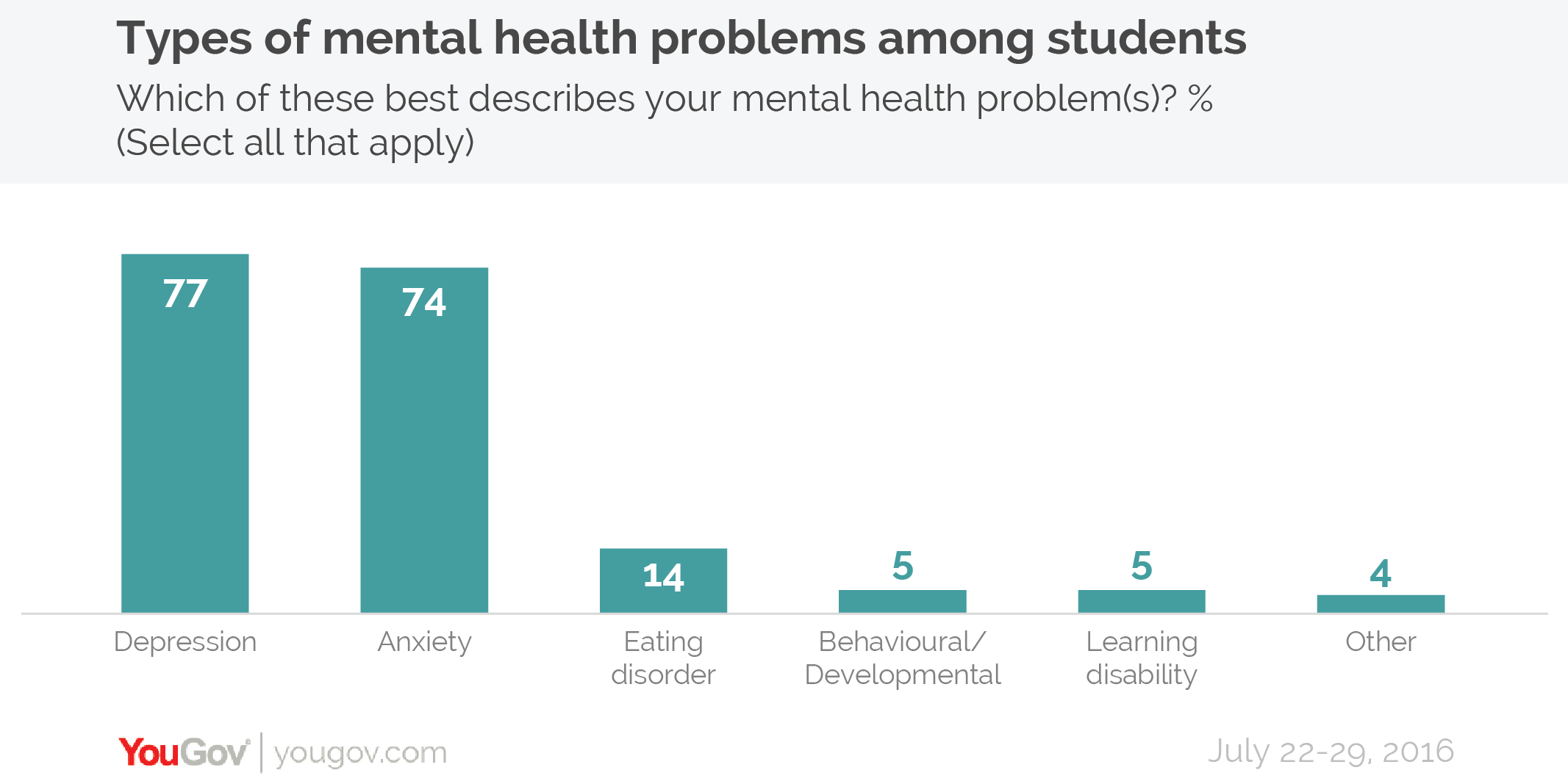 There is a far more sinister side to the disruption in your circadian rhythm, ongoing research has identified a direct link with mental health disorders such as depression. This is of particular interest given the rise in reported levels of depression amongst students. One area that is being investigated is screen time be that mobile phones or computers. The artificial blue light emitted from these devices could well be confusing your circadian clock.
 Pedleysmiths Blog