
You have to be joking – learning fun!

A famous scientist was on his way to a lecture in yet another university when his chauffeur offered an idea. “Hey, boss, I’ve heard your speech so many times I bet I could deliver it and give you the night off.” “Sounds great,” the scientist said. When they got to the auditorium, the scientist put on the chauffeur’s hat and settled into the back row. The chauffeur walked to the lectern and delivered the speech. Afterward he asked if there were any questions. “Yes,” said one professor. Then he launched into a highly technical question. The chauffeur was panic stricken for a moment but quickly recovered. “That’s an easy one,” he replied. “In fact, it’s so easy, I’m going to let my chauffeur answer it!”

Okay it might have made you smile rather than laugh out loud and it may not be the best joke you have ever heard, but it will have changed your mood and as a result made you more receptive to learning.

The facts

But how does this work? Dopamine is the chemical neurotransmitter most associated with attention, memory storage, comprehension, and executive function. Research indicates that the brain releases more dopamine when you play, laugh, exercise and listen to stories. (Depue and Collins 1999).

Interestingly making learning fun also reduces stress which can impede the learning process.

During periods of high stress or anxiety, functional MRI studies show increased blood flow to the “emotional” portion of the limbic system. When the amygdala (part of the limbic system) is in this state, neural activity in the rest of the brain is profoundly reduced (Xiao and Barbas 2002; Pawlak et al. 2003).

But learning is not fun!

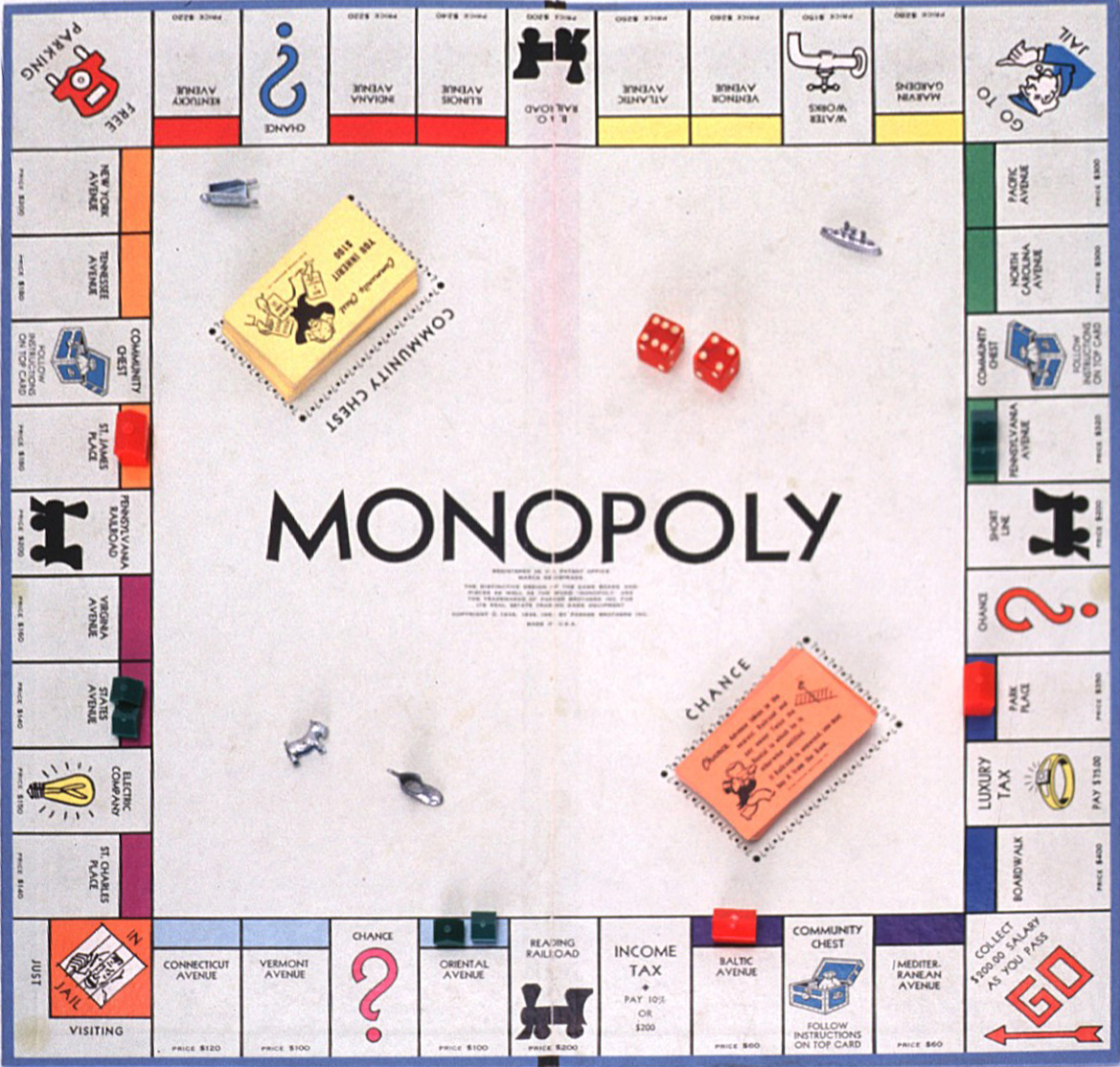
Of course something that is fun to one person may not be fun to someone else. And what do people do to have fun? One answer to this is they play games, in fact there is a whole industry built around playing games to learn, unsurprisingly and somewhat disappointingly its called game based learning (GBL)

A game is said to have several key elements.

1. Competition – The score keeping element and/or winning conditions motivate the players and provide an assessment of their performance. Note that players are not necessarily competing against each other. In fact, a lot of games have players working as a team to overcome some obstacle or opponent.

2. Engagement – Once the learner starts, he or she does not want to stop before the game is over. This engagement is thought to come from four sources: challenge, curiosity, control, and fantasy.

3. Immediate Rewards – Players receive victory or points, sometimes even descriptive feedback, as soon as goals are accomplished

Can learning be fun, yes of course and making it into a game is a great way of doing it. It might be as simple as writing the questions for a quiz based on a subject to be examined and testing a group of friends. Setting the quiz from a learning perspective is probably better than answering the question. Keep to the rules above though, so make sure you offer a reward.

Also it might be American football, which I have to admit I don’t understand, but if you do you will love Financial Football click here to play, its a free online game with cool graphics that aims to teach money management skills.

Have a revision party

Okay the idea might sound a little of the wall but watch this short video, it looks like fun to me…

Ps the loud one is my daughter.

And the outtakes 

Want to find out more then read this article by Dr. Judy Willis who is an authority in brain research and learning.

And just for fun Dawn French and the accounting joke.

Exam stress – Mindfulness and the “7/11”

I have been aware of the term mindfulness for a few years now, but had struggled to think how it could help with exams.  That was before reading an article in the Guardian, Could beditation be the answer to exam nerves? ‘Mindfulness’ is the latest big thing in schools. What is it and why is it so popular?

In the article they describe two ways in which mindfulness may be used to help with exams. One is called the “7/11” the other bedetation.

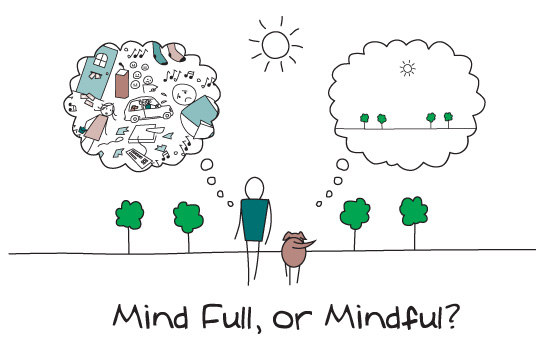
  • The “7/11” is a relaxation breathing exercise. Matching the counting to the breath, you breathe in through your nose for a count of seven, and out through your nose for a count of 11. As with many mindfulness techniques this helps focus your attention, in this instance you use the breath as an object of concentration. By focusing on the breath you become aware of the mind’s tendency to jump from one thing to another. The simple discipline of concentration brings us back to the present moment and all the richness of experience that it contains. Watch this video, it shows exactly how to do “7/11” breathing.
  • Beditation is simply the process of meditation whilst lying down. Meditation might sound slightly new world, but it is of course thousands of years old. On one level meditation is a simple yet powerful technique that effortlessly allows your mind to become calm and peaceful. Which is not a bad state to be in when you’re studying or in the exam room.

What exactly is Mindfulness?

Although mindfulness has its roots in eastern philosophy, many acknowledge the work of Jon Kabat-Zinn from the Medical Centre at the University of Massachusetts as being the founder of the modern mindfulness movement. Jon Kabat-Zinn defines mindfulness as “paying attention, on purpose in the present moment non judgementally.”

If you imagine that there are two modes of attention, thinking and sensing. Attention often gets drawn to what’s wrong, what’s threatening, our attention scans for problems and this is for good reason, it is a primeval survival technique. This triggers the thinking part as you attempt to solve the problem. Now there is nothing wrong with this but the mind needs a balance and there is a time to think and a time to relax and sense.

By moving your attention to the present moment and into the sensing mode you will instantly become more relaxed. The “7/11” breathing and meditation techniques are just ways of helping you do this. Research is showing that there are huge benefits of spending some time in the sensing mode and not in the thinking mode.

Listen to this TED lecture given by Richard Burnett who is the co-founder of the Mindfulness in Schools Project (also known as .b, pronounced “dot b”), whose aim is to introduce mindfulness as a discipline in the school curriculum.

How it helps with exam stress

Stress is often created by thinking what might happen if I fail, what happens if I am not good enough, or can’t answer this question? These are all examples of the thinking state of attention. Now as I have mentioned before in a previous blog, exam stress or is it your stress to feel stressed is a perfectly natural reaction; it is the result of being faced with a challenge that initially at least, looks impossible to overcome. But in an exam it is far from helpful, often cutting off your ability to think straight and sometimes paralysing your actions.

By using the “7/11” breathing techniques before the exam, to help you feel more relaxed, during the exam to stop a panic attack taking over, and even after the exam when you begin to wonder what you should have done but didn’t, can be incredibly helpful.

And meditation can help both in the short and long run, our mental health and intellectual skills are shaped by what we do with our attention, where we place our awareness. And of course intellectual skills are vital not just in the exam but whilst studying as well.

Is it just in the mind?

Brain-imaging studies show that mindfulness meditation can reliably and profoundly alter the structure and function of the brain and produce, for example, greater blood-flow to and a thickening of the cerebral cortex in areas associated with attention and emotions. As well its impact on specific problems, mindfulness has been shown to have a very positive effect on intellectual skills, improving sustained attention, visual special memory, working memory and concentration

The National Institute for health and care excellence (Nice) are recommending mindfulness.

Watch this short video on more ways that mindfulness may help in exams.

Can ‘Mindful’ meditation increase profits?

And for the more commercial minded of you, it might even help your business increase profits. Watch this to find out more.


There’s no such thing as a stupid question – Learning by questions

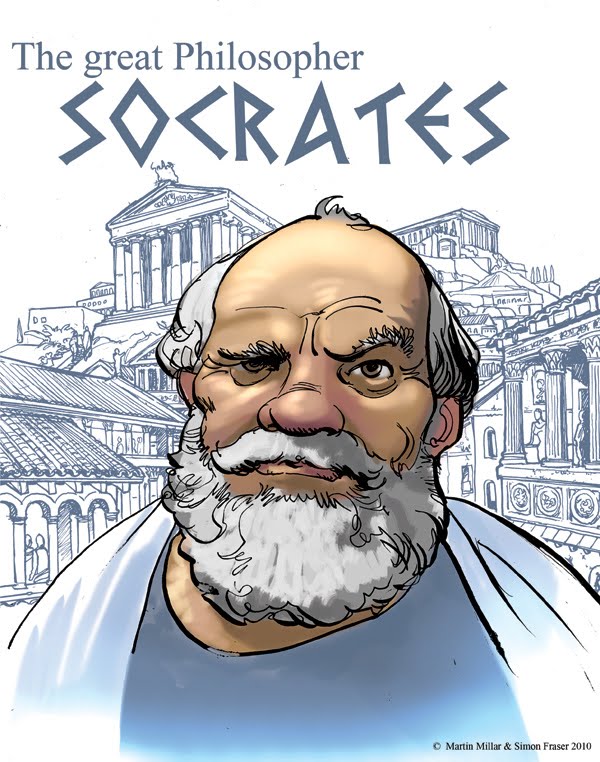
Ask questionsThe Greek philosopher Socrates was born 469 B.C in Athens, and died in 399 B.C. He is considered by many to be one of the world’s greatest thinkers. He is known for the Socratic Method and the pursuit of knowledge. The Socratic Method involves asking a series of questions until a contradiction emerges invalidating the initial assumption.

Socratic questioning does not seek to find THE answer, there are often many answers. The primary goal is to explore the contours of often difficult issues and to teach critical thinking skills. This method encourages you to go beyond the simple memorising of facts, enabling you to develop a higher level of understanding.

Socratic questions

1. Questions for clarification – Why do you say that?
2. Questions that probe assumptions – What could we assume instead?
3. Questions that probe reasons and evidence – What would be an example?
4. Questions about Viewpoints and Perspectives – What is another way to look at it?
5. Questions that probe implications and consequences – What are you implying?
6. Questions about the question – What was the point of this question?

If you can formulate a question – you have 60% of the answer
When you pass one exam the bad news is you are often faced with another. Exams at times can seem endless. But as you progress, what you are asked to do will change. When you first start studying a subject you will be asked relatively simple questions such as, what is the capital of FranceChildren are good at asking questions. To answer questions like this you need little more than a good memory. However when you get to the final level, examiners are more interested in understanding and application, not simply knowledge. What they really want you to do is think….

And so you may need to form an opinion, a view of your own. I am sure that you have many opinions now, but how informed are they, what facts support your view and how much have you thought around this view sufficient that you can deal with challenge.

This is where asking good questions can really help. When studying on your own, if you can formulate the right question you are more than half way to answering it yourself. Because to even get to this question, you will have had to think deeply about what you are trying to do, how it might work, what resources you might need, why has no one done this before etc. And only when you have thought this deeply will you be able to ask your question.

The next step is to post your question on the internet, someone will have the answer, the interesting thing is, by the time you come to do this, you may have the answer yourself!

Questions really are a great way of learning.

Judge a man by his questions rather than his answers.
Voltaire

The last word will go to Scott Adams
If there are no stupid questions, then what kind of questions do stupid people ask? Do they get smart just in time to ask questions?

Or should it!

Blogging to learn – Learn to Blog

12-bloggers-for-2012[1]Writing a blog can sometimes be a challenge, and sometimes a joy. Yet I have to admit I am not always sure as to my motives for writing one. Why would you want to share your thoughts on a particular subject with the world?

In years gone by it seemed everyone wrote letters or kept diaries. Now people keep in touch using social networks and only politicians keep diaries, needing them for the inevitable autobiography.
 

Never talk to strangers

Maybe blogging fills a void left by the letter writers and diarists of the past, being both a record of your thoughts and a means of communicating with others, even if you don’t know them.

Motives for blogging

There are said to be more than 180 million blog pages in existence, that sure is a lot of motivated people, but why do they bother?

Here are a few reasons and many of them are related to learning.

• Firstly It’s a great way to learn – one reason that making notes is so helpful when trying to learn is that you have to externalise your thoughts and physically write something down, blogging is no different.

• It helps clarify your thoughts – the process of writing also helps clarify exactly what you think, it gets you to question what you know, and as a result you begin to develop a deeper understanding of the subject or topic. Micro blogging (Twitter) is especially effective, not only do you need to be clear in what you want to say, you have to be incredibly concise, less than 200 characters in fact. And yes that includes spaces, full stops etc.

• It becomes a permanent record – others will of course be able to see what you have written but so can you. This means you can look back and reflect on what you thought at a point in time. A modern day diary! Published in weekly or monthly installments

• You become an expert – the more you think and write, the more you engage in something, the better you get. In order to support your views you will probably need to undertake a certain amount of research to check your facts. This again is something that will expand and deepen your knowledge. Remember you can add videos and pictures to the blog; it makes it far more interesting when you do.

• Do you have something to say – ever had a thought in your head and just needed to write it down? Ever had an opinion or a view and wanted to share it with others to get their reaction? A blog is a great medium to express your views and provides you with a much wider audience.

• You get feedback from others and intern learn from them – so having shared your view, the blog becomes a focal point for debate, allowing others to comment on what you have said. Perhaps challenging your views, teaching you new things and forcing you once more to think more deeply.

Learning blogs

You can blog about pretty much anything, but if your studying why not blog about the subjects or even the techniques you find work best when it comes to learning.

Every day you go to University, college or school you come across something new, let the events of your day inspire you. Happy Blogging!

Want to Learn morewikis and blogs

Appy Christmas – Apps for learning

appsIt’s always interesting writing a Blog in the holidays, maybe it’s because you have more time than normal so think you should come up with something different, dare I say original. The reality is that when you have such a large canvas on which to think, you can’t think of anything!
The answer is to narrow it down, give yourself something specific to think about. So whilst staring at my ipad for inspiration, I stopped thinking about “everything”, focused on what was on my ipad and then it happened, an idea… ..Why not write about the apps I use most and how you might use them to improve your studying, so here goes.

It’s not about the technology stupid
First a disclaimer, although technology can be all absorbing, learning is a human quality, technology in many circumstances only makes learning more convenient, you still have to work at it. What it does do is provide you with the ability to study when you want and where you want. Time that would be wasted waiting for or actually on a train/bus etc can be much more effectively used learning. How good would it be if you had finished studying before you got home?

Google CalendarGoogle calendar – Helps plan your studies
I have written before about the importance of timetables and calendars. Sitting down and planning what you will study and when not only helps you become more organised it is essential for setting targets and challenges. And remember target setting is key to motivation.

Evernote Evernote – Organise and store notes
I am finding that I am using Evernote more and more. It is in effect a cloud based folder system. Consider setting up a folder for each subject you are studying. Then within each subject folder you can type notes, attach PDF’s, photos, maybe of places/objects/people relevant to that subject. You can even attach video. And if you want to collaborate with others just share the link. Maybe have a folder for revision with the questions you want to attempt linked via PDF, comment on what you found difficult and share with your friends. Evernote has so many uses.

PenultimatePenultimate – for making hand written notes and drawing mind maps
If you prefer to write rather than type, penultimate is for you, although I don’t think there is an android version at the moment. It is part of the Evernote family and links with Evernote so is easy to use. It is just like a paper based note book with a front cover showing the subject, page numbers and has a nice page turning feel. Unlike a paper based note book however, you can change the paper, plain/lined etc, save your work, add photos, and share with others. It also has a very clever way of making sure your hand when resting on the screen does not interfere with what you are writing.

Put simply it’s the best handwriting software I have come across, and comes close to replacing paper, close but not just yet….

DropboxDropbox – for file storage, back up and file sharing
Many of you will already be familiar with dropbox, it is free simple to use cloud based storage. Dropbox is great for saving/backing up all your files. This means that as long as you can get electronic versions of your text books and question banks you will be able to have them with you anywhere…

And you can share folders with friends.

Adobe ReaderAdobe reader – keep all PDF notes in one place and you can write on them!
This is just for Adobe PDF’s but as most documents can be turned into a PDF format that should not be a problem. Imagine having your notes in a PDF file, opening them up wherever you are and then updating them either by typing or writing on top of the PDF. You can also make margin notes that open up in a speech bubble, little reminders of what you were thinking, or additional work you need to look at.

Explain-EverythingExplain everything – become a teacher and teach yourself
Explain everything is a white board that you can add in pictures, shapes etc, and then the really clever part, record what you are doing in a high quality video. What makes this so good is how easy it is to use.

This would be ideal for working through a question, talking out loud explaining your thoughts (Explain everything will record your voice and your white board actions) and then when you get to the part that is difficult or simply don’t understand, ask your question out loud….? Then send the Mp4 file to your tutor/teacher or study colleagues for an answer. Unfortunately as with Penultimate I don t think there is an android version just yet.

twitterTwitter – limitless knowledge and support
Twitter can get a bad press when it comes to studying, it can be very distracting! But if used properly it can be great. The key is to follow people that have answers to your problems or are like you. If you are studying accountancy for example you will find lots of tweets from experts providing you with up to date news and information often linking to more in depth guidance, websites/PDF’s etc. Twitter is the most up to date text book you can get.

Okay a word of warning; just make sure you are not too far ahead of you teachers and the exam. Also that the people you are following are credible.
The other use is to follow fellow students who are studying the same subjects as you, it can be very reassuring that you are not the only ones who doesn’t understand something.

The big secret to twitter is is very selective who you follow, delete people that are not helping and keep the list down to about 200.

Mobile
Most of these are accessible on all mobile devises and for me that is the real benefit of the technology.

Happy 2013 and more apps
Hope you are all having a good Xmas and here’s to 2013, what will be new this time next year I wonder?

Related articles

Rocky boxing No – it’s about motivation

In 1976 a relatively unknown actor, Sylvester Stallone, wrote and starred in Rocky, a film that grossed $225m and won three Oscars. What a success story, “unknown actor becomes a star overnight”. But there is another story, the story as to how Sylvester Stallone came to write the script and got to star in the film.

This is even more interesting and it’s not about boxing or Hollywood it’s about motivation.

I wrote about motivation back in January 2012, but it is so important because it impacts on your ability to study and as a result exam success I think we should explore it in more detail.

If you’re motivated you will work harder, study longer and if you study longer guess what, you significantly improve your chances of passing.

In my earlier blog I described motivation as the wants, needs and beliefs that drive an individual towards a particular goal or perceived outcome. I went on to talk specifically about goals and how to set them, but there is much more to being motivated than simply setting goals.

A structure to help with motivation

I recently came across a framework* that provides a great way to think about motivation.

Engage – with yourself

Firstly ask yourself a few simply questions. How come you have got this far, what has been your motivation, what is it you want and why do you think that passing this exam will help you? Okay the idea of talking to yourself might seem odd, but trust me its normal.

If you can identify what it is that has motivated so far and there will be something, you can use it to motivate yourself even more.

Stallone recognised in himself a hunger to be an actor; he fed that hunger because he knew that it would help him succeed.

Structure

This is where the goal setting fits in. Set yourself a goal, exactly how to do this is described in detail in my January blog. Click here motivation – how to want to study.

Most thoughts and ideas have structure, motivation is no different.

Stallone clearly had a goal, it was vivid, very much within his control and positive, something he wanted as appose to something he didn’t want.

Relevance

Ask why is this goal important to me? What will it give me that I don’t have now? Repeat the questions several times, what pictures do you see?

The goals that you set have to be relevant to you, they have to have meaning for you, they are personal.

There was something that made wanting to be an actor highly relevant for Stallone. From this story we are not exactly sure what it is, just that it was powerful.

Beliefs

What do you believe about yourself, do you believe you’re clever or not? Do you believe you should pass? What do you believe will make the difference to your exam success?

Beliefs are probably the most important element of motivation. As Henry Ford once said “Whether you believe you can do a thing or not, you are right.” Challenge what you believe and ask yourself one very simple question – Does this belief help me achieve my goal or not – if not change it!

Stallone had a huge amount of self belief; he first turned down $250k, said no to $325k and finally accepted $35! Ask yourself would you have done that, honestly I don’t think I would.

Listen to Tony Robbins tell the Stallone story

Click this link to hear Tony Robbins, I would recommend you listen, it’s well worth it.


*A framework for motivation – Motivational Drivers, Alan McLean

Seped rdeiang – speed verses comprehension

Woody Allen on speed reading

I was asked recently by a student if there was anything they could do to speed up the way that they read. As a student there are many situations where it would be great if you could read more quickly.

Chunking

Whenever I deliver an exam technique or memory course I always come away feeling I have learned something, although I do of course hope it was not just me!

Last week was no exception; it was the memory technique course. Now I have written in the past about memory techniques, but last week one specific topic stood out, chunking.

One of the problems with learning any subject is that often you are faced with such large volumes of information it seems impossible to learn. This is not dissimilar to the position that memory champions find themselves, for example one of the tasks they have to undertake is to memorise a pack of cards.

How long would it take you, 30 minutes, 2 hours, maybe it’s not possible?

Well it is possible and you can do it in 24.97 seconds, don’t believe me, then watch this video.

So how is it done?

Well the first thing to say is it takes practice; secondly it uses some of the principles of memory, chunking, visualisation, and association. You break the task down into a series of smaller tasks, e.g. remember each separate card (chunking) then create a unique image of each card and finally put the events into a structure you are already familiar with, let’s say your journey to work (association).

Listen Professor Winston and Andi Bell world memory champion in 2002 explain more.

Chunking in a bit more detail

I have promoted the benefits of visulisation in previous blogs so let’s focus on chunking.

Look at these letters for 30 seconds

BAADHLWWFCBBACCA

Look away from the screen and write down as many as you can.

Now look at these letters

ACCA CBB WWF DHL BAA

Look away from the screen and write down as many as you can.

You should find that you did better at the second list, one because some of them are already familiar to you BAA – British Airways, but most importantly because they were broken down into smaller chunks.

It works for study as well

Chunking is not only a useful memory technique but a great way to study. When faced with a new subject, start by breaking it down into smaller chunks then priorities those chunks as to which is the most important. This would normally be the most examinable. You then focus on that chunk, don’t worry about all the other topics; just concentrate on that one, and when you have done that move onto the next etc.

And finally

The guy that broke the world record is Ben Pridmore from Derby in the UK

Exams in the headlines – but for the wrong reasons again!

Well it has certainly been an interesting time in the exam world! Here are just a few of the headlines.

Behind all of these headlines are personal stories, for example students who can’t get into sixth form colleges because they didn’t get the necessary grades. The argument being, that if the grade boundaries had not changed (by 10%) resulting in them getting a D and not a C then they would have got into their colleges of choice.

Stacey Cole chief executive of Ofqual said “the grades are right “

Although the impact on individuals is considerable, statistically the change was small. The proportion of test papers awarded at least an A fell by 0.8 percentage points to 22.4 per cent (this was 8.6 per cent in 1988!) the first annual drop since GCSE exams were first sat in 1988. A* grades also fell but only by 0.5 percentage points to 7.3 per cent.

However, when something goes up, it must come down so perhaps it was inevitable that the ever increasing improvement in student grades had to reverse or at least plateau.

What has changed/gone wrong? 

  • Teachers are encouraged to prepare students for the exam, because parents, employers and educational institutions measure success at least partly (exclusively?) by the results.
  •  Students are better at exam skills than ever before. After all, this blog is about how to pass exams and the skills needed to help.
  • Universities and employers seem equally unimpressed with the quality of students and candidates they get, complaining they don’t have basic levels of numeracy, literacy and common sense!

Answers to some of the questions

Have students been getting better each year?

I think the answer is yes, the results prove they have. But maybe they have been getting better at passingexams. And not improving on some of the more difficult to measure skills like, attitude, common sense, being thoughtful. Exams don’t give you time to be thoughtful! This might explain why employers are so unhappy.

But they may just be getting better…..
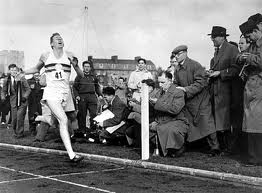
On the 6th of May 1954 Roger Banister ran the 4 minute mile, it is now the standard of all male middle distance runners. Does this mean the mile is now shorter…….or maybe runners have improved?

Why did someone not say something?

The pressure to succeed, measured by exam results has been so great on teachers, examining bodies and students that no one was willing nor was it in their best interest to say, “this just doesn’t make sense.”

Why do we have exams, to test knowledge/competence or to separate the best from the rest?

They should probably be to asses’ knowledge but are mostly used to try and pick the best people.

Have exams been made easier, the dumbing down argument?

This is tricky, and although you can compare exam papers it’s a bit like comparing Wayne Rooney with George Best. You can debate the pros and cons but I am not sure it is conclusive; things were just different in the past.

But it’s not fair

What does seem clear in this whole debacle is that raising the grade required
half way through the year is not an example of exam rigour, it’s an example of being unfair and that is the one thing exams should never be.

Also see my blog what do exams prove

Back to more exam tips next month….

Enjoy the break

As July comes to an end and attempts to reprieve itself with a little sun it also means that the exam season is over for many, at least for a short time. But what should you do with this time off, what is the best use of time after exams?

I have always been interested by the idea that I am sure was in an updated version of Tom Peters and Bob Waterman’s book, In Search of Excellence, first published in 1988. This was a book about what made American companies great. But rather than building ideas from first principle, it looked at successful US companies and worked backwards in order to find common themes, a simple modeling exercise.

What I found of particular interest was the updated chapter that I believe was called, the price of excellence. In this chapter they argued that to be excellent you have to make sacrifices, having a balanced life was all well and good but it did not lead to excellence, excellence required to some extent obsession. As I watched the opening of the Olympic Games last night I wonder how many of those athletes had a holiday or were at home every night to kiss their children good night, how many sacrifices had they made.

No man ever reached to excellence in any one art or profession without having passed through the slow and painful process of study and preparation”

Quintus Horatius Flaccus – Roman Poet

But this is not an argument for obsession, well maybe short spurts of obsession, with rest and variety in the middle. The brain needs sleep and ideas need fertilising, sometimes connections and understanding come when you are least expecting them.

So go on holiday, engage in different activates, and challenge your understanding of what is around you but most of all have a great holiday…

Final thoughts

Excellence in the opening of the London 2012 Olympic games.

And just for sheer entertainment a fabulous presentation by Marco Tempest telling the story of Nicola Telsa, “The greatest Geek who ever lived.”

Are you taught in the most efficient & effective way? – The flipped classroom

To pass any exam you need to learn in the most efficient and effective way but only part of that is down to you the student, much is about the way in which you are taught.

Little has changed in the way knowledge has been transferred over the years. Initially teaching was one person talking to a few people; let’s call this the Neanderthal approach, the first classroom? Then we had a major innovation the printing press, around 1450, which made it possible for knowledge to flow around the world, all be it slowly, no email in those days. But with the advent of the computer in 1837 (Charles Babbage) or 1942 (first digital computer) or the first PC, IBM 1953, the ability to store and transfer information to the masses was possible. Yet little changed in the way we were taught, until now.

Now we have both online and classroom learning. But what is best way to learn, what is the most efficient and effective way to transfer knowledge?

The lecture

If you think of a traditional lecture, the lecturer stands at the front and talks, the student makes notes and then goes away to read and perhaps actually learn something about the subject.

The online approach

A mass of content is available online, you can watch the very best lecturers from all around the world, stopping and starting the presentation to suite the speed in which you learn. Or perhaps you have a sophisticated e learning course where activities are carefully constructed to explain what you need to know. But this can be lonely and despite the claim that online is the same as being in a classroom, from my experience it is not, it is different.

The blend and the flip

But is the best method to have a blend of both online and Classroom / Lecture Theater. This is the idea behind the blended course. Attend the lecture and then watch some online instruction later in the day perhaps. However much thought needs to be given to how this works, directing students to random You Tube clips is far from ideal. Yet it feels like a move in the right direction.

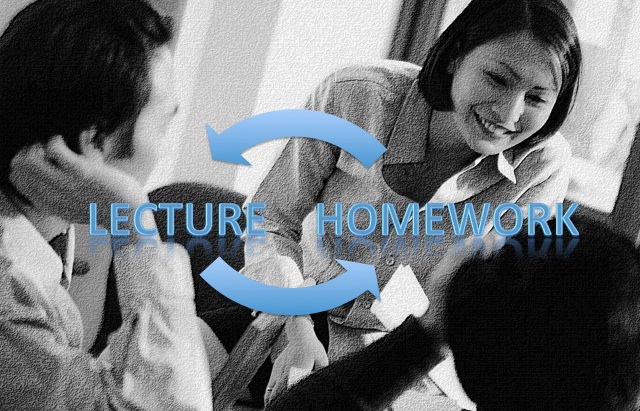
And now the Flip – The flipped classroom (2004 ish) takes its name from the idea that content has historically been taught in the day and students expected to apply that content in their own time for homework.  But is making notes in class the best use of that face to face time? Should students not watch the lecture on the evening, benefiting from studying at their own pace and then attend class the next day, where they can ask questions? Can we flip the process?

In class the lecturer or teacher can then bring the subject to life using real world examples, answer student questions and deal with individuals on a one to one basis.

It’s not perfect, but it is better

Okay it is far from perfect and it has yet to be proven over time. But it does seem to make a lot of sense and for the first time we may be seeing the power of the PC complementing rather than competing with the classroom.

Oh and it has some powerful supporters Sal Khan & Bill Gates

Watch this for a great explanation why flipping the class is a good idea

What’s the point of exams – what do they prove?

With many students in the middle of exams right now, working long hours, making huge personal sacrifices and putting themselves under considerable pressure, perhaps we should stop, take a moment to reflect and ask ……….what’s the point of exams?

Why are you doing this, what will it prove when you do pass, what will passing give you that you don’t have now?


It’s not about knowledge

If you pass an exam, you have proved that you knew the answers to questions set by the examiner at a particular point in time. To be precise you have only really proved you knew enough answers to get a pass mark, in some instances this might be less than half! But you have not proved that you understand everything about the subject or that you could work unsupervised in practice, knowing what to do is not quite the same as doing it.

This is not to say that examinations are easy, they are not or to underestimate their importance, it is just to be a little clearer on what exam success means.

Higher level skills

By passing an exam you are demonstrating many other skills, for example;

Motivation – You have proved that when you set your mind to something you can achieve it.

Concentration – For some people, concentration comes easily for others it might involve removing all distractions by locking themselves in a room. Whatever method you used, you have learned how to cut out distractions and focus on the task in hand.

Prioritisation and Time management – Undoubtedly you have had too much to learn and too little time to learn it. But if you pass the exam you have proved that you got the balance between an endless, or at least what appeared endless set of demands and the overall objective just right.

But most of all exams give you….

A great sense of achievement – You set yourself a target and achieved it.  It is a statement to others that you worked hard and have succeeded. It will remain a tangible and permanent reminder of success that can never be taken away.

Self confidence – It will build self esteem and help you develop a type of confidence that only comes from being successful in a chosen field. Others will congratulate you and as a result, treat you differently.

Choices – it will open doors to opportunities that simply would not have been possible without the piece of paper that says “Congratulations, you have passed”. Exam success will give you choices, it will change how others look at you but perhaps more importantly it will change how you feel about yourself…

So if you have been working hard keep at it, you may not be proving you are the greatest mathematician in the world, but if all goes to plan the end result will make up for all the pain you are going through right now, honest!

But just in case…..everything doesn’t work out check out these Famous A-level flunkers

Sleep, picture, talk – learn smarter

Three stories caught my eye this month that I thought might be of interest.

They are all ways in which new research is providing evidence as to how it is possible to learn more effectively, a kind of smart brain learning.


Sleep is good for study

A new study from the University of Notre Dame suggest  that sleeping soon after learning new material is best for recall. This clearly has implications for students in those latter stages of revision and arguably the night before the exam.  The answer it would seem is that you can study right up to the last minute (probably memorising  facts) as long as you are getting a good night’s sleep after wards.

Although it is not known with certainty why sleep is so good, it is believed that it brings some form of consolidation of the facts, a kind of updating and reorganising of the brain while you rest.

The idea is not that new, this research was out in 2004

Pictures are better than words

This might come as no surprise to people who have read this blog before but it is reassuring that there is some science to support the view that the brain is more effective with pictures than words.

A story from the BBC about a group of people who had their brainwaves scanned while completing a series of tasks, individually and in groups, to see if data visualisation, presenting information visually, in this case a series of mind maps can help. The results showed that when tasks were presented visually rather than using traditional text, individuals used arround 20% less cognitive resources. In other words, their brains were working a lot less hard.

The research was carried out by Mindlab International, an independent research company that specialises in neurometrics – the science of measuring patterns of brain activity through EEG, eye tracking and skin conductivity, which tracks emotions.

This is not just another plug for mind maps, they are just one way in which information is presented visually. When reading a book or study manual, put information in boxes, use graphs, draw people and objects, make it look visual, it will all help.

The first sign of madness – talking to yourself out loud

Gary Lupyan, a cognitive psychologist at the University of Wisconsin-Madison often found himself talking out loud so he thought it might try to find out if it helped, and guess what it did.

In one experiment, volunteers were shown 20 pictures of various objects and asked to look for a specific one, such as a banana. In half of the trials, participants were asked to repeatedly say what they were looking for out loud to themselves, the others were asked to remain silent. The researchers found self-directed speech helped people find objects more quickly by about 50 to 100 milliseconds.

Most people talk to themselves when studying, but they don’t say the words out loud they keep it inside their heads. What this research suggests is that what you should do is say the words out loud, use different voices even. I know it sounds strange but it does work. Okay maybe you should do it behind closed doors; you don’t want to upset the neighbors…..


Time for revision – Revision timetables

As the month of March slips effortlessly away it is time for some of you to be thinking about revision, my daughter is, or should I say should be. For others the very word revision will help focus your attention and remind you that it is not too far away for you either. If only we had more time….or perhaps could better manage the time we have.

David Allen is a productivity consultant (great job title) and bestselling author of Getting Things Done: The Art of Stress-Free Productivity. He suggests that “‘Time management’ is a foolish idea,” “You don’t manage time. Have you ever mismanaged five minutes and come up with six? Or four-and-a-half? Time just is. Our actions are what we manage, during time.”

And if you think about it he‘s right, the amount of time you have is a matter of fact. So we just need to prioritise the tasks in that time dependant on what we want to achieve. To better organise your time it is a very good idea to have a study/revision timetable.

When to start

It is difficult to be prescriptive about when to start revision as it depends on many things: the length of the course, the level of complexity of the subject, the time you have before the exam and how many exams you are doing at any one time. But we do need a rough idea, so I am going to assume that revision has to start somewhere between two and six weeks before the exam. For some people, starting 2 weeks before the exam may sound early, but if you are studying more than one subject and or are working full time, when you actually break down the amount of hours you are revising, anything less than 2 weeks will be insufficient for an effective revision program. 

Revision timetable

There are many different ways in which you can draw up your timetable and I have included several examples below for you to print off and or download. One thing I would say is that the very process of creating your own time table will help you begin thinking about what it is you have to do, how long it will take etc. In fact you could say that your revision starts with your timetable.

Don’t forget Google calendar which I use a lot and it will sync to your mobile.

But what should you do in the time available?

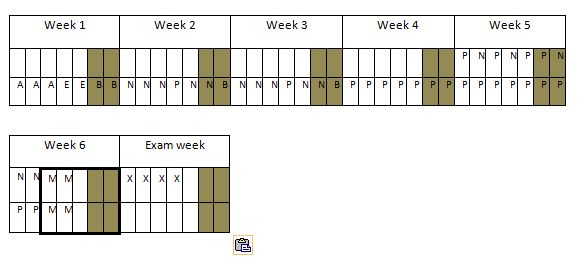
In order to give you some idea what you should be doing in the time available I have produced a mock-up of a revision timetable showing various activities. It is based on the assumption that you have 6 weeks before the exam.

Key to activities

  • A – Produce an analysis of past exam papers so as to identify the key examinable areas
  • E – Find out if your examiner has produced any specific examiner guidance or any technical articles
  • N- Read through existing notes and make new revision notes based on the key examinable topics
  • P – Work through past exam questions from the key examinable areas
  • M – Take a mock exam
  • B – Take a break

The shaded areas are weekends and X denotes the actual exams. Week 5 and 6 assumes that you are not at work if of course you do work and so have a full day to devote to your revision. As you can see of the last 5 days 2 are taken up with mock exams and the last 3 are left blank. This is because there are two parts to revision.

The first is very much to do with making notes, practicing questions based on the key examinable topics and continuing to learn but in a much more focused way than on tuition. Equally, what you are learning is far more about application, how the topic will be examined rather than what the topic is about.

The second is more about recognising that there will be some topics that you won’t be able to master in the time you have left and others that you have mastered but can’t remember some of the key prompts, definitions or formats. In this second period, we need to start committing things to memory.

Not related to time but…

I came across these videos by Dr Stephen Chew a professor of physiology at Samford University, Birmingham Alabama. They are a series of 5 videos about how to get the most out of studying. Not only are they interesting but they include some very helpful tips and hints as to how you can become more time  efficient with your studying.

Video 1 Beliefs that make you fail …or succeed

Video 2 what students should know about how people learn?

Video 3 cognitive principles for optimizing learning

Video 4 putting principle for learning into practice

Video 5 I blew the exam now what

Enjoy and let me leave you with this thought “For every minute spent in organizing, an hour is earned.” anon

Deliberate reading – How to read technical content

In his book Five Minds for the Future Howard Gardner identifies one mind as the Synthesising Mind. He describes this as the mind that takes informationfrom disparate sources, understands and evaluates that information objectively, and puts it together in ways that make sense to the synthesiser and also to other persons.

We live in an age where knowledge is not hard to find, just Google something and you will find no shortage of information on any subject. The skill or mind that you need to develop is to be better able to filter information focusing only on what is important and ignoring what is not. 

But there is just too much!

As a student at some point you will find yourself having to read a book that contains masses of information that you need to learn but given the volume probably not able to absorb. You will need to filter the information, reduce it down into manageable chunks that can be understood and made sense.

As Gardner suggests, this understanding is initially for your benefit but eventually you will have to explain it to others, so the understanding needs to be deeper than simply knowing.

So we need a way in which you can both read and learn at a deep level. Children read instinctively using their finger, putting it under the words they are trying to say. Of course when they go to school using your finger to learn is not encouraged, so they stop. But there is good reason that children do this, you need to focus your attention and pointing or underlining is one way of doing it. Below is a step by step guide as to how to read technical stuff or in fact anything that you need to have a far better understanding than a few random facts.

How to read with your synthesising mind

1. Find the content page in your book and very loosely mind map or write out the chapter headings; see my previous blog on mind mapping. Do this IN THE BOOK, okay you will have to write on the book and that might feel uncomfortable, but you need the information all together and the book is the best place to store it. This will help you gain an overview of what is to come. Your brain will already begin to put some shape to what you are about to learn and begin to make linkages.

2. Read each chapter, but underline the key points, try to underline key words and not huge paragraphs. This in itself will help you start to focus on what is important. Yes it will slow you down but you are not just reading you are learning. Knowing what the key points are is not easy so you will have to concentrate, however don’t spend forever, often your gut instinct is the right one.

3. Write in the margin your understanding of the key points or even just copy out what is in the book. The purpose of this is to reinforce the knowledge and to make it stand out even more. It is better if you have to think about what is said in the context of what you are trying to learn and write it out in your own words. However you don’t always have time, so never be afraid to simply copy.

4. Mind map or summarise all the key points that you have written in the margin within the chapter at the front of that chapter. This is your chance to show how it all fits together. Double check your summary with the one that is in the back of the chapter, this will make sure you don’t miss anything. Now of course what you could do is just read the summaries at the end of each chapter and if you are really short of time this can be very effective, however you will not learn from this, but it can be a better way of getting a more detailed overview than you would from the contents page.

5. Look at each of the chapter summaries and add to your initial overview of the book or simply re write the whole thing. This final summary or mind map will help consolidate your thoughts on what the really important points were, the key messages and aid your understanding.

Also in a few years if you pick this book off your shelf, or when you come to revise, it will be this summary that will bring everything flooding back.

And just in case your curious – the other four minds are

The Disciplined Mind

The disciplined mind has mastered at least one way of thinking – a distinctive mode of cognition that characterizes a specific scholarly discipline, craft or profession.

The Creating Mind

The creating mind breaks new ground. It puts forth new ideas, poses unfamiliar questions, conjures up fresh ways of thinking, arrives at unexpected answers.

The Respectful Mind

The respectful mind notes and welcomes differences between human individuals and between human groups, tries to understand these “others,” and seeks to work effectively with them.

The Ethical Mind

The ethical mind ponders the nature of one’s work and the needs and desires of the society in which he lives. This mind conceptualizes how workers can serve purposes beyond self-interest and how citizens can work unselfishly to improve the lot of all.

Motivation – How to want to study

2012, another year and an opportunity to set some New Year resolutions, but how many will you keep, and why won’t you keep them? It’s not because you don’t want to, it’s not because they are not important. But somehow you just don’t want them enough; you lack the motivation to make them happen.

Just imagine if you woke up every morning jumped out of bed and said, “I can’t wait to start studying today.” How much would you learn if that was the way you felt? Well, that’s what it would be like if you were motivated. The interesting thing is that motivation can be learned, just like anything else. With the right techniques you can improve your desire to want to study.

People often say that motivation doesn’t last. Well, neither does bathing – that’s why we recommend it daily.”

Zig Ziglar

What is motivation?

Motivation can be thought of as the wants, needs and beliefs that drive an individual towards a particular goal or perceived outcome. It will generally result in affecting a person’s behavior: they will do something as a result.

Setting goals is the first step in turning the invisible into the visible.

Tony Robbins

Motivation is about setting goals

If motivation is about being driven towards a particular goal, then, to be motivated, you must set a goal or outcome in such a way that it invades your thoughts and affects your actions. In principle, then motivation is about goal-setting. You cannot be motivated if you don’t want something.

In absence of clearly defined goals, we become strangely loyal to performing daily acts of trivia.

How to set goals

The process that you go through in order to set goals is important, below is an easy to follow guide as to what questions you need to ask to set motivational goals.

1. What do you want? State the goal in positive terms, what you want, not what you don’t want.

This needs to be something you want, so, saying “I don’t want to fail my exams” needs to be changed to “I want to pass my exams.”

2. What will you accept as evidence that you have achieved your outcome? – Make it real

  •  Ask – How will you know that you have this outcome? What will you see, what will you hear, how will you feel? or

So if your objective is to pass your exams, perhaps you would see yourself opening the letter and it showing a clear pass, you hear yourself shout “yes” and you feel so proud or maybe just relieved.

3. Is achieving this outcome within your control? –  Must not depend on others

  •  Ask – Is this something which you can achieve? Or does it require OTHER people to behave in a certain way?

If the answer to what do you want was, “To pass my exams,” then, when you get to this point it will become clear that this outcome is not achievable by you. To pass the exam, you need the examiner to consider your script worthy of a pass. So the outcome needs to be refined to smaller outcomes that can be achieved by you. E.g. “I want to practice more questions.” This is within your control.

4. Are the costs and consequences of obtaining this outcome acceptable?  – What do you gain and lose as a result of achieving your outcome?

  •  Ask – What are the advantages of making this change?
  • Ask – What are the disadvantages of making this change?

This will help identify if what you want (your outcome) is really best for you and the balance of your life? If you achieve your outcome, how will your life be affected?

5. And then….. Write them all down

 A creative man is motivated by the desire to achieve, not by the desire to beat others.

Ayn Rand

And finally – The E word

Many of my blogs, including this one contains extracts from my book “The E word,” the book about how to pass exams.

You can buy this book now at Amazon.

PS Want to know what the guys from Apple think text books should look like – check out this video

It’s a Wonderful Life – lifelong learning

In 1946 Frank Kapra made what is arguably the best Christmas film of all time, it’s a Wonderful Life. It tells the story of George Bailey (Jimmy Stewart) who on Christmas Eve gets drunk after being told that there is a warrant out for his arrest for bank fraud.  In a moment of despair he threatens to throw himself into an icy cold river, believing that this will solve all his problems. He is interrupted by Clarence, his guardian angel (second class) who appears and jumps into the water before him. George is forced to rescue Clarence but does not believe that he is his guardian angel and wishes that he had never been born.

And so the scene is set for Clarence to show George that the world would be a very different place had he not been born. Had he not saved his brother from drowning, stopped Mr Gower (the local pharmacist) giving out a lethal prescription and put his dream of travelling the world on hold to run the local bank (Savings and loan).

George was a man with ambition and drive, he constantly put others before himself, in every way a good man. But as can often happen he found himself in situations that he had not expected, arguably did not deserve, that at the time seemed impossible to solve.

Lifelong learning

We often think that studying is something that you do when you are young and then when you have learned everything by the age of say 25/30, you sit back and relax!  Of course this is not true, learning is a lifelong pursuit. It may not always have an exam at the end, but there are lessons to learn and successes and failures to deal with in equal measure. A Wonderful Life follows the ups and downs of George Bailey and in one way is sad because he never does fulfil his ambition to travel. But he learns so many other things along the way, perhaps most importantly that some of the smaller things you do have a huge impact on others and that when faced with apparent failure or disappointment there is always a solution, and it’s not jumping off a bridge…

So perhaps you didn’t get the exam results you wanted or didn’t get a place at university but this is only a moment in time. It is not the end of the journey; it’s just a different beginning.

Steve Jobs tells a great story about “Joining the dots” how you can only join the dots backwards not forwards. Had he not dropped out of Reed College and wondered into a calligraphy class one day then in Steve’s words “the Mac would have never had multiple typefaces or proportionally spaced fonts. And since Windows just copied the Mac, it’s likely that no personal computer would have them.”

So wherever you are in your lifelong learning class, have a very Merry Christmas.

A lesson for today’s bankers

When faced with the bank collapsing George Bailey put in his own money to save it. A modern day lesson for some of today’s greedy bankers perhaps. Sir Fred Goodwin, please note….

A beautiful mind or just a different one – Personalised learning

My Daughter is sitting her mock exams at the moment, my wife is taking her to school just in case the train breaks down! And I have just finished teaching revision; only the dog seems unaffected by this November/December exams season.

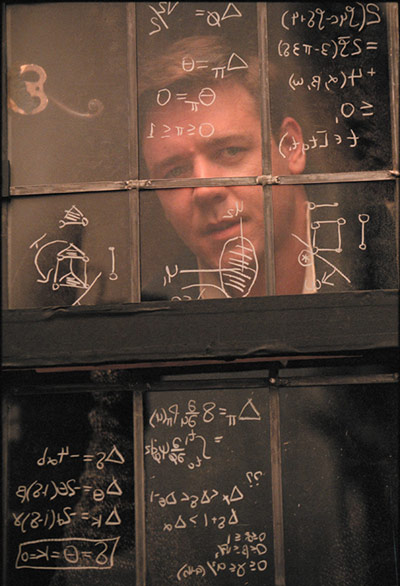
Watching my Daughter study was interesting, she has discovered that you don’t need a white board to make notes, and just like John Nash (A beautiful Mind) has been writing on our dining room windows with a marker pen.  She also created a game where the answer was under a flap of paper and found that she learned more effectively when teaching someone else, me. Go on ask me a question about respiration or stem cells…..

I have written on the merits of learning styles before,”learning styles don’t work or do they,” but in that blog I focused more on how you process information rather than using differing methods to learn. For example making notes using mind maps rather than in a linear format or writing on the window rather than on paper…..  Different people learn in different ways and at different speeds. This is why there is a big push in education to personalise learning, to make it sufficiently flexible for each individual to learn in their own way.

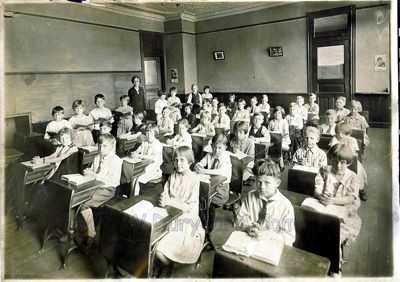
The argument is that in the last century education was delivered in a style needed to prepare people to work in factories. It required little in the way of individual thought just the ability to perform simple repetitive tasks, the same as everyone else. As a result pupils were all taught in the same way, sat in rows, repeating the same thing over and over again, and dressing alike. Okay a bit Orwellian and not entirely true, there have always been great teachers, but you get the point.

But now we live in a world that is constantly changing, problem solving is highly praised and keeping up to date with the latest information or developments is essential. So learning needs to change.

Different ways to learn

There are of course many ways to learn, but below are a few tips and hints.

  •  Making notes – writing something down is an incredibly powerful method of learning. Some people like mind maps, others prefer lists or bullet points and why not try Concept Mapping. The key point, just write it down.
  • Cards – reducing down what you have to learn and put it onto small cards. This is great for individuals who like to rearrange information, putting the most important first or eliminating what has been mastered.
  • Get a learning habit – make a routine out of what you do so that you perform a task without thinking. Learn one new fact before you go to bed, always have a book to hand or have notes on your mobile so that when you are on the train everyday you can study for 20/30 minutes.
  • Talk out loud – okay people may think you are a bit strange but listening to your own voice can really help.

Of course not all of the above will work for everyone that’s why you are you, an individual, the secret is not to give up if one method does not work.

Ps other great films about learning

Good will Hunting and the best of all Dead Poets Society

Let me know your favourites?

Mind Mapping unplugged – How to Mind Map from beginning to end

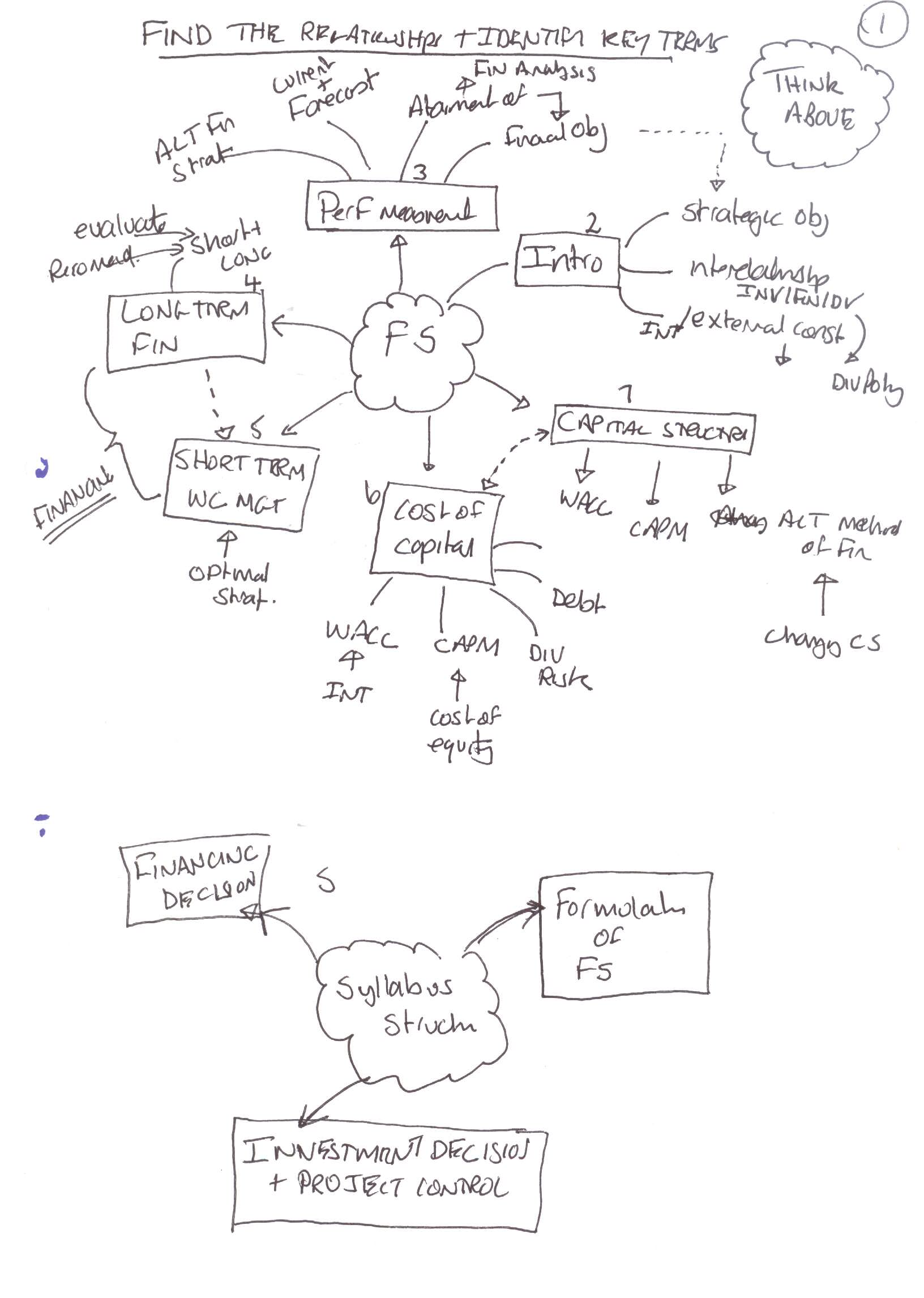
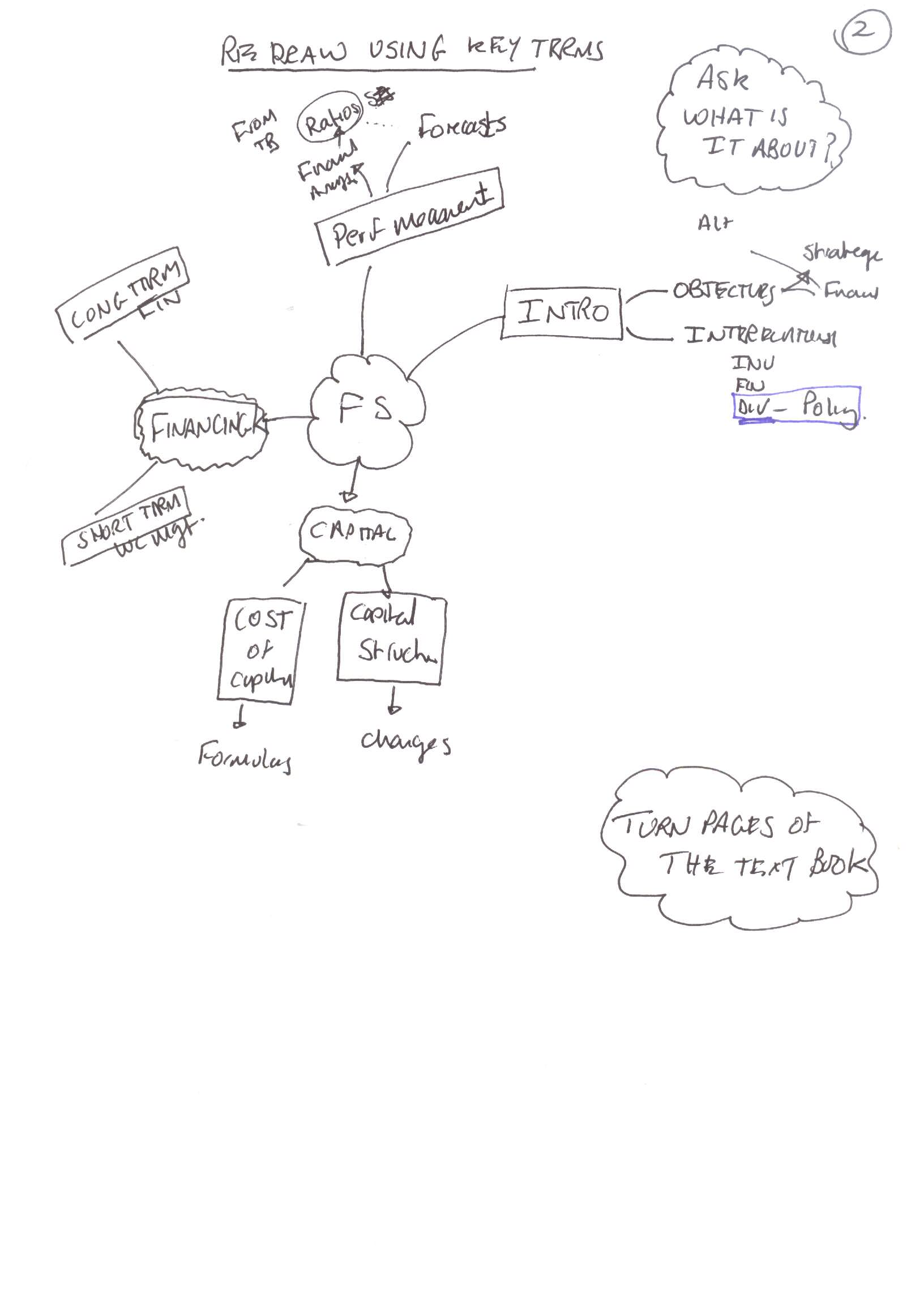
Another month and another MasterClass live on-line lecture, this time on “How to Mind Map” don’t worry this is the last one for a while. I have blogged before about Mind Mapping, explaining the principles and how to draw one. So this presentation was to look in more detail as to how you should do it, starting with a text book and working through the various versions until you get to the “overview map” at the end.

Below is a note of the key learning’s from this presentation.

Steps In Mind Mapping – assuming you know nothing about the subject

1. Mind map the Contents page – identify key words

Firstly take the text book that you want to study from and find the contents page. Use the headings on this page as your guide, these should form the basis of your first map.

This will be very simple summary of the key themes radiating from a central image or word. Mentally stay away from the detail and just record the words. At this stage it is little more than black and white spider diagram.


2. Redraw the Mind Map – asking what is this chapter/section/word all about, what does it mean?

Look at the completed map and redraw, this time though just flick through the chapters looking for the main headings in the book. Notice terms that may be similar, perhaps showing that they are parts of the same topic but have been split up into two or even three chapters simply because of the amount that has to be learned. Add to the detail of the map using some of the content from the book and any syllabus guidance that may be given. At this stage you need to reduce the number of branches coming from the central theme.

3. Study each chapter

You can’t get away from this part I am afraid, you now have to study each chapter or attend a course that will prepare you for the exam. But you are doing so with some understanding as to what you will be studying and how it fits together.

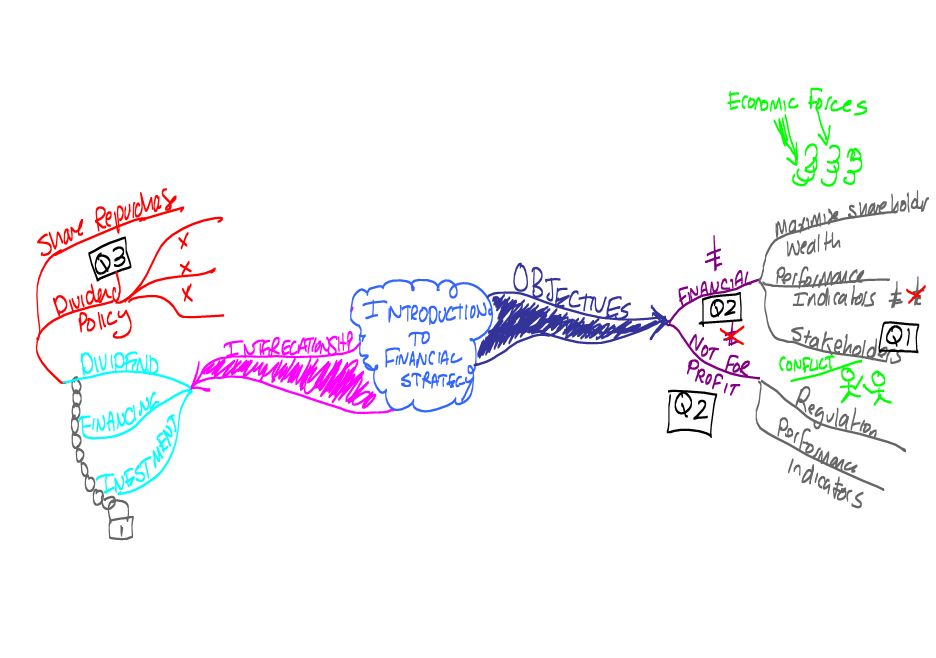
4. Redraw individual chapters in colour

This is when we produce out first real Mind Map. Redraw the key topics, in colour showing how they all relate, use images and of course your imagination. Key topics at this stage may be chapters or combinations of chapters. At the end of the chapters of many study manuals there will be some questions, or at least there should be! Add these to your Mind Map so that you know which topics have been tested. This will also help direct your studies, mapping out the questions you should be doing.

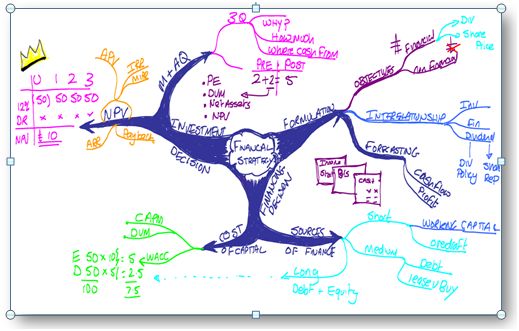
5. Complete the final overview map

And finally take all of these individual Mind Maps and complete an overview map, one map that links all of the individual maps together, this will help you see the BIG picture, perfect for revision.

Hope that helps let me know how you get on….

More free content- EDU You Tube  

The availability of lectures and guidance on-line just keeps coming.  You Tube are now providing free content to help you study, check out EDU You Tube.


Not fast food – fast learning

Last week I presented a live on-line lecture to about 250 students who had registered to attend the course, the subject How to learn faster. 

So I thought it might be interesting to devote this blog to a summary of the key points from that presentation.


Accelerated or fast learning

Accelerated leaaning is a collective term for a series of practical approaches to learning. In many ways it is simply an explanation of the way in which you learn, the logic being that if you understand how information gets into your head you will be able to speed up individual parts of that process and so learn faster. Let’s have a look at what is involved in the accelerated learning process.

How we learn – or at least one version

Take a look at the picture on the right, focus on the information arrow. This represents what you are trying to learn, you receive that information either Visually, Auditory or Kinaesthetically (smell touch taste) see July blog.

Learning tip 1 – Use all of your senses. When learning think about the best way of processing information, if it doesn’t make sense having read it a few times, then why not draw a picture?

One of the big problems with learning is motivation and the secret to motivation is to set goals and have Outcomes. Before you start learning think what your objectives are both short and long term then write them down.

Learning tip 2 – Write down your learning goals but make them positive and within your power. It is no good writing down I want to pass an exam when you cannot control that. Better to write that you will practice 4 questions tonight, now you can do that.

Next focus on the Practice arrows – Practice is vital. You can’t get away from the fact that the more you practice the better you get, see August blog on deliberate practice.

Learning tip 3 – Practice practice, practice….and practice again

Now look at the first of the 3 pink bubbles, MIT. MIT stands for Multiple Intelligence Theory – Don’t ask how intelligent you are, ask which intelligence you have. Howard Gardner suggested that there were 8 different intelligences, ranging from musical to logical to interpersonal.

Learning tip 4 – Don’t get hung up about intelligence, it doesn’t help, chances are your average. There are lots of types of intelligences and you may not like maths/logical subjects and are better at the written/linguistic papers. If you’re not good at maths just work harder at it, but have confidence that you are good at many other things. Intelligence is not one thing that you either have or don’t, it is more complicated.

Second of the pink bubbles is – State. State is another word for frame of mind. If you are not in the right frame of mind then you won’t learn quickly.

Learning tip 5 – If you don’t feel in the right mood for learning, then change your mood. Get up walk around, make a coffee or remind yourself you have the exam in only two weeks time. That normally works! 

Memory is the third of the bubbles – Memory is not the same as intelligence, you can improve the speed at which you learn by using memory techniques.

Learning tip 6 – Learn and begin to use some simple memory techniques, mind mapping, acronyms and acrostics are a good start.

And finally in the white bubble – Reflection. No learning process is complete without thinking back over what you have learned. What might you do differently next time, can you explain what you have learned to others?

Learning tip 7 – Keep a learning log or at least take some time out of your day to think back on what you have learned.

It’s not magic but it will work

Accelerated or fast learning is not a magic built or a pill that you can take that will require no effort from you, but it is an explanation
of learning, that stops you thinking of learning as something that happens sometimes. It is just a process and the more you understand about that process the
faster you can learn.

As they say learning is not a spectator sport…..


I have just discovered twitter. You can follow me by clicking on the panel to the right. My initial thoughts were that it was a waste of time but I have found it very demanding to make your point in 140 characters and have picked up lots of new information from others, see everyone is learning.