Like many I have been spending my time working from home, exercising daily and talking to colleagues and friends on a variety of video conferencing platforms. The news is of course dominated by the Coronavirus, in fact it’s hard to believe that anything else is happening. This is an extra ordinary time, never before have so many countries around the world all faced the same challenge, having to restrict the movement of individuals and prepare for the economic tsunami that will almost certainly result. The feeling that it is everywhere gives the impression there is no escape, and nothing you can do, it’s out of your control. Depressed yet!
Yet some people don’t feel like this, are they just out of touch with reality or eternal optimists, thinking it will be all right when we know it won’t. Alternatively, they might have higher levels of resilience which helps them recover and bounce back far more quickly. It’s not that they are ignoring the facts, they are fully aware of the situation with many of the same concerns but its just not affecting them in the same way.
Resilience can go an awful long way – Eddie the eagle
What is resilience
Resilience is recovering quickly from a failure or adversity, not just to the status quo but in some way improved, effectively having learned from the experience. But how can you do this or is it a consequence of your genetics in which case you can always blame your parents. There is evidence to show that some people are born with higher levels of resilience, the range is somewhere between 30% – 50%, it’s impossible to be more specific because of the levels of complexity resulting from interplay between the genes. But even if it’s as high as 50%, where does the other 50% come from, maybe its learned?
In his book, The Emotional Life of Your Brain Professor Richard J. Davidson states that signals from the prefrontal cortex (planning and decision making) to the amygdala (emotions) determine how quickly the brain will recover from an upsetting experience. Apologies for that but as with many of our emotional experiences it’s important to show that we can now identify exactly what is happening and that it’s not a subjective experience, we can observe the brain actually changing.
To summarise, resilience is real, we can see it happening in the brain and although some people have a head start with higher levels of “genetic resilience” we can all improve our ability to bounce back.
One final point before moving onto the practical guidance. There has been considerable research into resilience, specifically with regard to the military and its importance in combating PTSD. (Building Resilience by Martin E.P. Seligman) In addition it is considered a high priority given the current focus on mental health and an important contributory factor to economic growth. Arguably the reason that some countries will do better post Covid 19 will be more a result of the resilience of its citizens and less the impact of the cash injections made by the countries bankers.
Learning to be more resilient
The back drop for this blog is the current Covid crises but resilience is a skill that would benefit all students, after all it’s a way of recovering quickly from setbacks and nothing at the time can seem more of a setback than failing an exam.
Its important to remember that everybody has resilience, there is no evidence to show that resilient people experience less traumatic events or have fewer barriers thrown in their way. They have just found better ways of dealing with them, but what do they do?
Change the narrative – when you are faced with a setback it’s easy to continually revisit the event looking for a reason as to why it happened. This is of course an important part of learning, after all you don’t want to make the same mistake. But there is little point playing the “if only I had done this” game. Change the narrative to, at least “I won’t make the same mistake again.” Ask yourself if the conversation your having is helping you get closer towards your goal of passing the exam and if not change it. One simple technique is to swap the word problem to challenge – its far easier to deal with a challenge than a problem!
Perspective (it could be worse) – seeing the event through the eyes of someone else can help put it into perspective. Most often the consequences aren’t as bad as you can imagine. Put what has happened into perspective by comparing it with something from the past or where the impact could be far worse. For example, I failed an exam before but I passed it in the end or perhaps, it could be worse I only failed one exam, how bad would it have been if I hadn’t past chemistry?
Support from others – in researching this blog, having support from others was mentioned more often than anything else as to what made people more resilient. A strong relationship with friends and family gives perspective as to what is important, being able to talk through your worries is a way of releasing pressure. As they say “a problem shared is a problem halved.”
Embrace the new and see the positive – change is going to happen, there are lots of things that are outside your control. The coronavirus was not something anyone was expecting but it has happened and we need to accept the implications and work within the boundaries it has created. That doesn’t mean you have to be happy nor do you have to stop trying to improve your situation. You didn’t put the mark on your last exam that resulted in you failing, accept it and then start thinking about what you have to do to change the result next time.
All of the above are important but resilience is not one thing it’s a combination of many. Unfortunately, it’s not permanent and you will need to reapply some of the techniques again. It is however easier to top up your resilience than start from scratch.
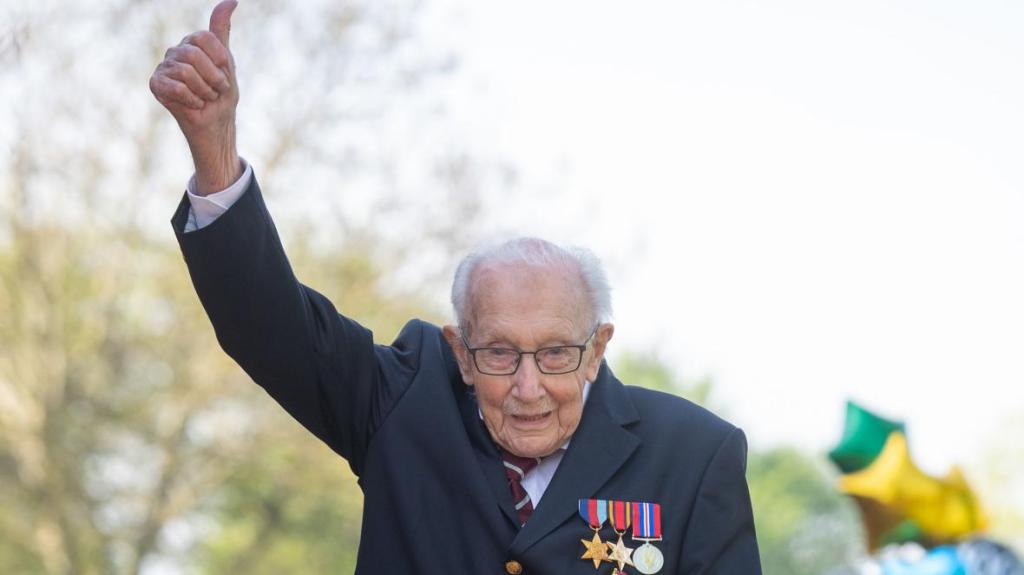
What does resilience look like – well you won’t get a better example than Captain Tom Moore who has not only raised £31m but has lived to 100 and inspired a nation. Happy Birthday Captain Tom 🙂


 Donald John Trump was born on June 14, 1946, in Queens, New York, the fourth of five children of Frederick C. and Mary MacLeod Trump. Frederick Trump was of German descent, a builder and real estate developer, who left an estimated $250-$300m. His Mother was from the Scottish Isle of Lewis. Trumps early years were spent at Kew-Forest School in Forest Hills, a fee-paying school in Queens. From there aged 13 he went to the New York Military Academy, leaving in 1964. Fordham University was his next stop but for only two years before moving to the Wharton School of Finance at the University of Pennsylvania, from which he graduated in 1968 with a degree in economics. After leaving Wharton Trump went onto to focus full time on the family businesses, he is now said to be worth $3.7bn.
 Hillary Rodham Clinton was born October 26, 1947, Chicago, Illinois. She was the eldest child of Hugh and Dorothy Rodham. Her father, a loyal Republican, owned a textile business which provided a “comfortable income”. Hillary’s mother who met Hugh Rodham whilst working as a company clerk/typist did not have a college education unlike her father. However Dorothy Rodham is said to have had a significant impact on Hillary and believed that gender should not be a barrier.
 Clinton, they married in 1975. She graduated with a JD in Law and had a paper published in the Harvard review, under the title “Children Under the Law”.
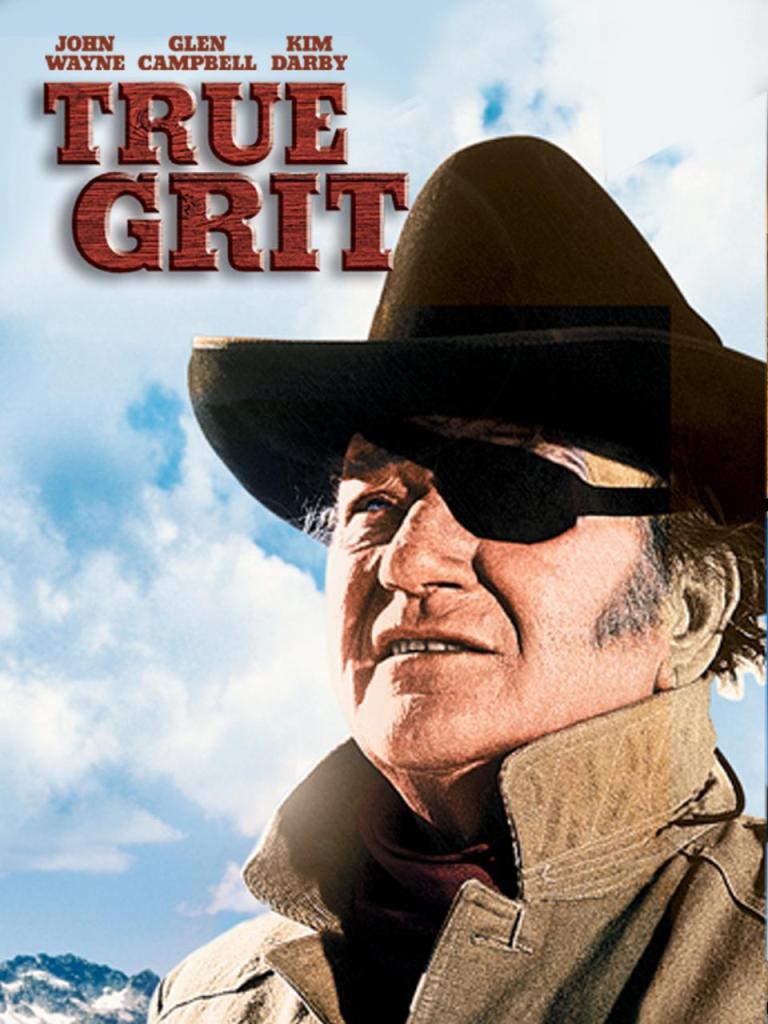 “They say he has grit. I wanted a man with grit.” So says Mattie Ross in the 1969 film True Grit staring John Wayne. But what exactly does the young Mattie Ross actually mean, what is grit?




 August is an interesting month, for some it is the time to take a well earned holiday and so de-stress for others it is the month in which the exam results drop through the letter box or inbox and so a time to get stressed.




 Pedleysmiths Blog